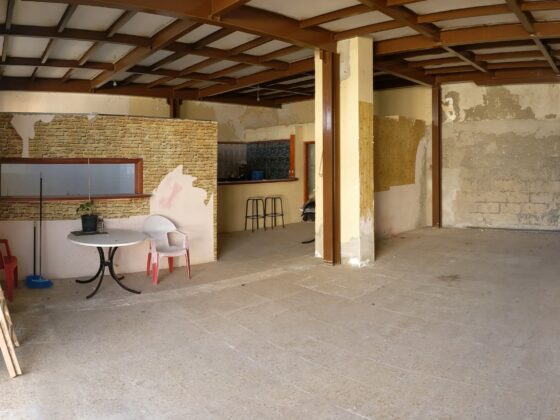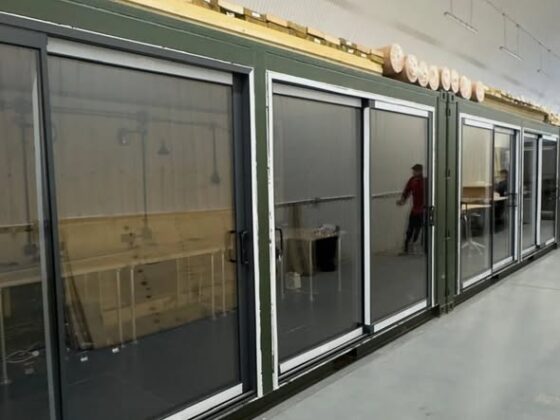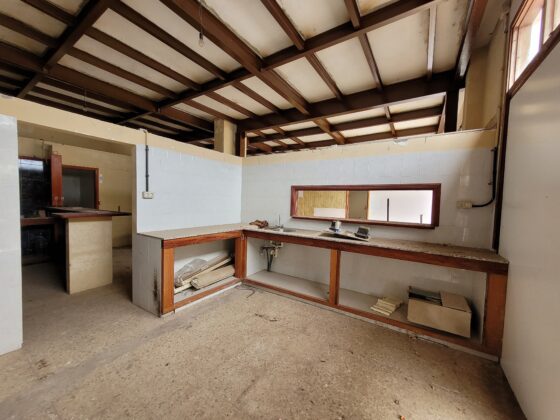
With progress continuing steadily on Nomadhut Tenerife — getting electricity connected, new windows fitted, walls freshly plastered, floors repaired, and the usual dance with local red tape still ongoing — I’ve finally had a moment to look up and think about what comes next.
Choosing our next base isn’t a simple task. The future of Nomadhut depends on picking the right location. Make the right call, and we build momentum that fuels the growth of our network. Get it wrong, and it could stall our efforts to provide affordable, community-driven coliving spaces for remote workers, creatives, and founders.
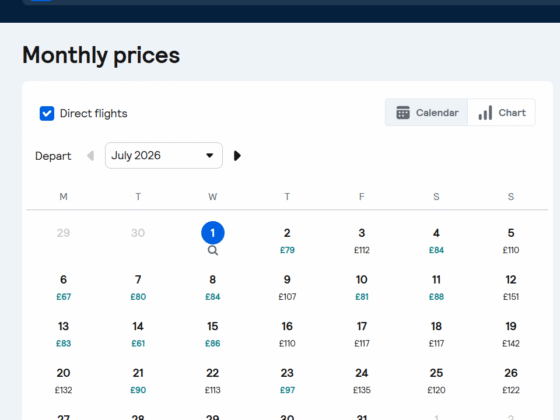
Right now, the process is part instinct, part sleuthing — I spend far too long scanning public calendars from other coliving spaces to piece together what demand looks like. I’m also putting together a dedicated platform to help us collect long-term search trends and data that can better inform our next steps. But for now, it’s back to basics: I’m on the ground, traveling through Portugal, Italy, and mainland Spain, visiting potential sites firsthand. Research meets road trip.
And then… there’s the wildcard: the UK.
Despite having spent my life here, I never seriously thought we’d open a Nomadhut in Britain. The numbers just don’t usually stack up. Property prices are steep, and we’re committed to affordability. Our vision isn’t high-end boutique stays dressed up as “coliving” — it’s private rooms with shared workspaces for under €500 a month, and hot desks for less than €100. That only works if you can find buildings priced around €333 per square metre, which is incredibly rare — and even then, only if they’re not full-blown renovation nightmares. Fortunately, having reopened more than 25 disused commercial properties on tight budgets, I have a pretty good sense of which ones are feasible — and which ones to walk away from.
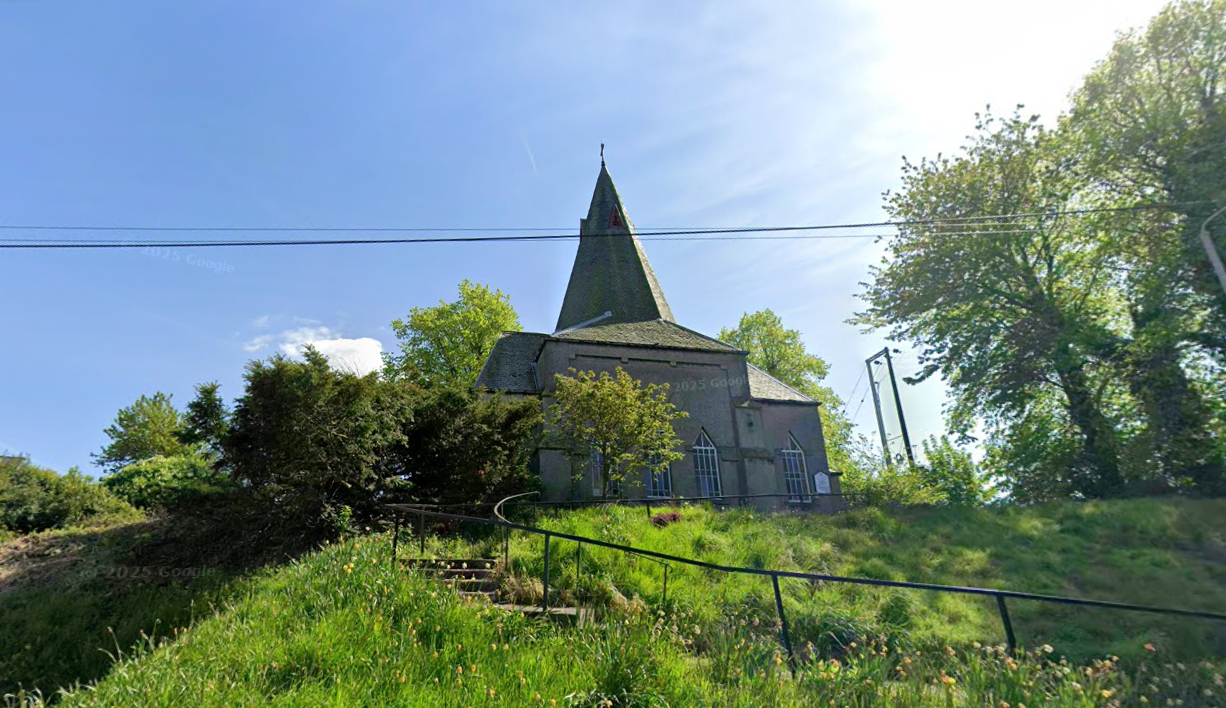
Surprisingly, though, we’ve found two promising properties in the UK — one in Devon, and this one in Scotland — and we’re putting in offers. We can only commit to one, and it’ll push our budget to its limits. But the goal is bigger than just a building. We’re trying to create spaces that serve two groups: locals who want an affordable place to work and connect, and remote professionals from further afield who want to live and work somewhere meaningful, without breaking the bank. Ultimately, I’d love for these places to be co-owned by the people who use them — a distributed network of nomadic workers who help shape the future of where and how we live.
Of course, we’re not the only ones in the running. Competing against equity-fuelled landlords and traditional investors is tough. So we’re leaning on something money can’t buy: vision and trust. We’re hoping the current owners see what we’re trying to do and believe in the future we’re building — one where their property has purpose beyond profit.
One of the buildings is listed and both would require planning change of use, which adds layers of complexity. But I’ve worked on eight listed projects before, and done multiple change of use applications, I’ve come to appreciate the balance between preservation and practicality. We’ve already figured out a way to respect the original architecture while making the project financially viable, so the building gets the care it deserves — without becoming a museum piece.
It’s a little ambitious. Slightly risky. Maybe even borderline mad.
But it might also be the beginning of something really special.
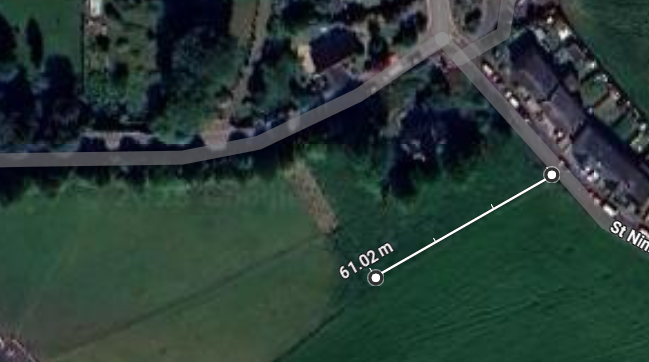
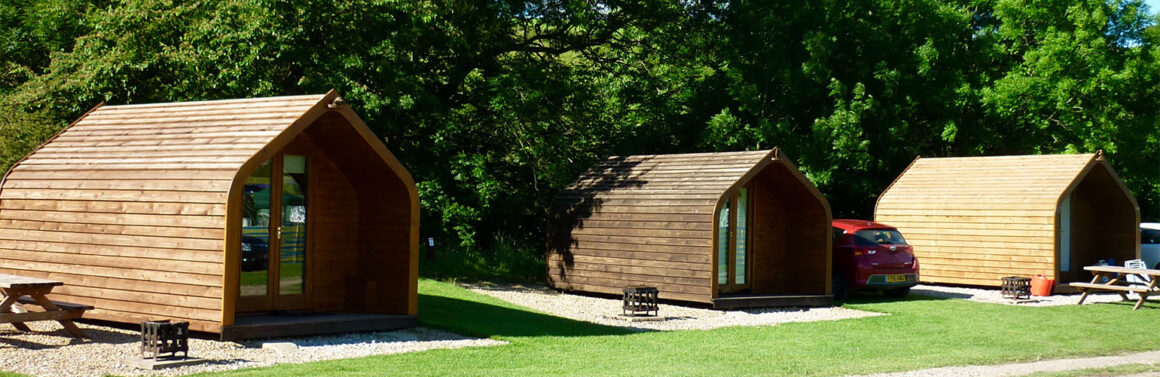
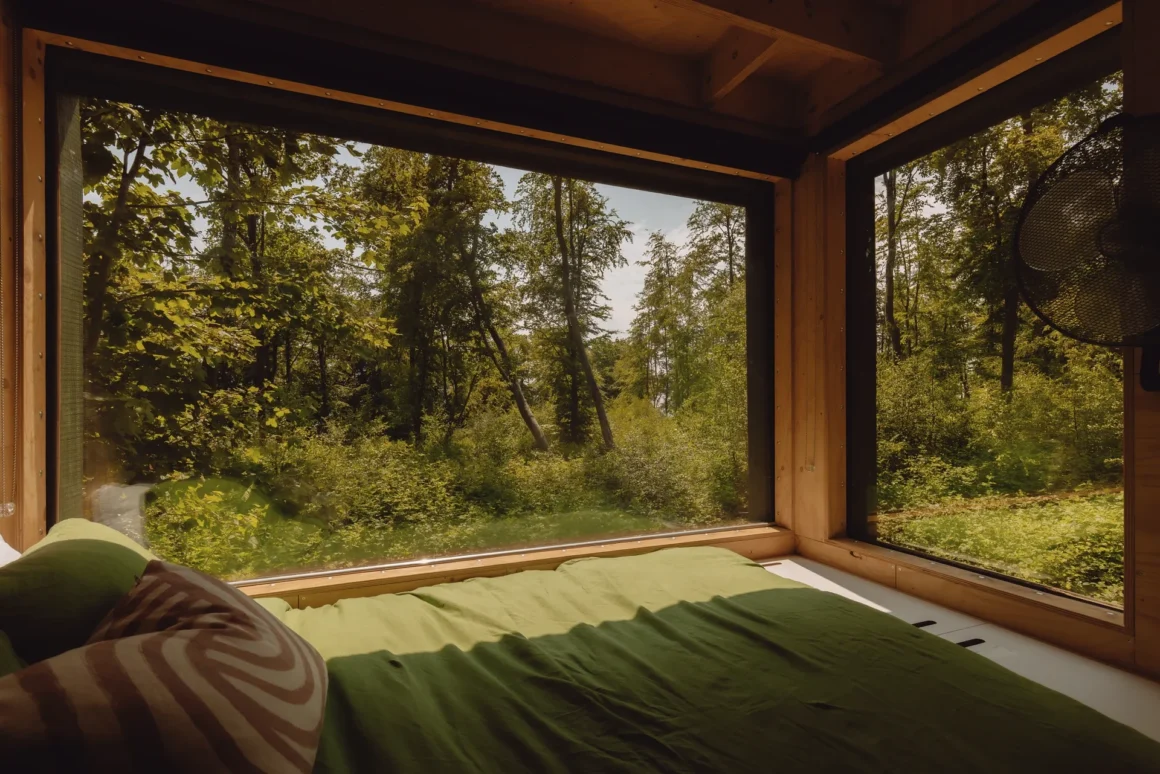
Having looked at the plot I need to go and visit the building, as this gives us the opportunity to do something quite interesting. We could have a shared workspace / craft workshop within the building, with toilets and showers, and external to the building subject to the local community and council we could add potentially 4-5 glamping pods for remote workers to come and stay and work on their freelance projects for a month. Adding significantly to the local economy, but also providing community workspace / art space.
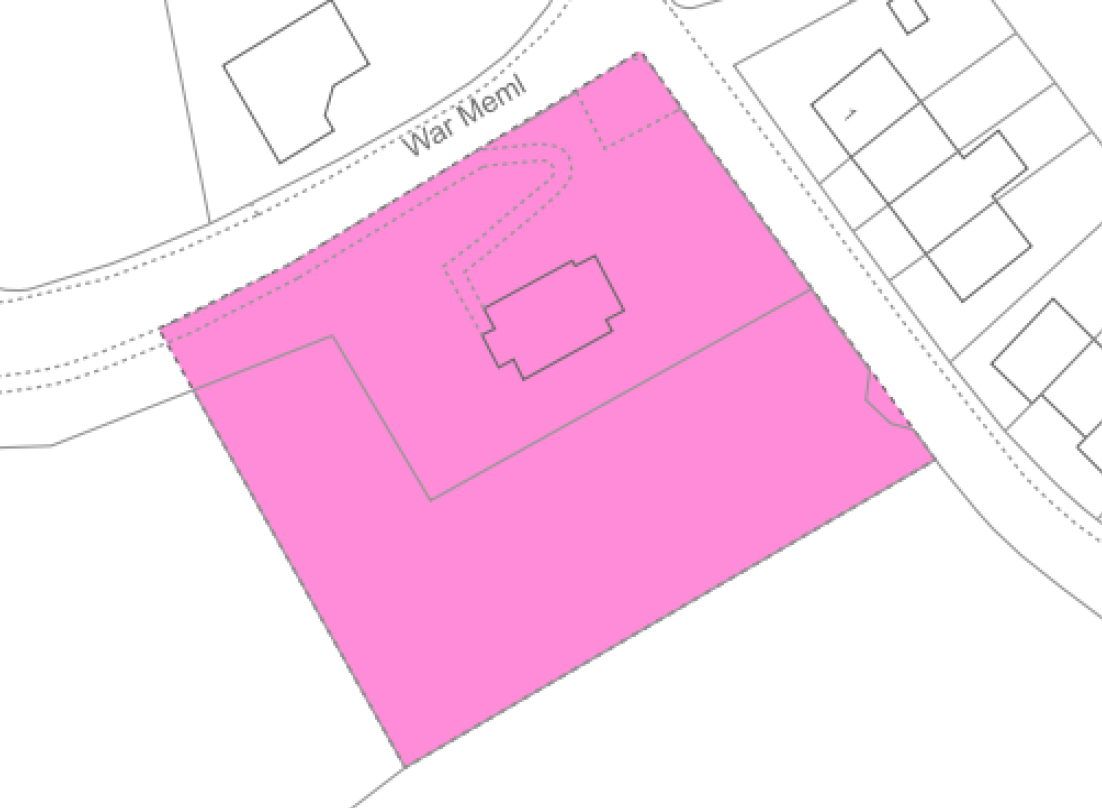
I don’t really mind what the pods look like, and I’m happy to be guided by the local community, these are just for reference / scale purposes.