Hacker Houses: From Chaotic Frat Dens to Grown-Up Creativity by the Sea
A “hacker house” is one of those terms that sounds either thrilling or terrifying depending on your tolerance for bunk beds and half-finished energy drinks. At their worst, they’re overcrowded crash-pads where a dozen would-be founders try to build the future while accidentally cultivating entirely new species of mould in the shower. At their best, they’re sparks of possibility—shared spaces where collaboration trumps loneliness and ideas multiply faster than instant noodles.
The Origins (and Their Charm, Despite the Chaos)
Back in the early 2000s, Mark Zuckerberg and friends ran Facebook out of a Palo Alto rental house. Not glamorous, but history-making. Y Combinator then effectively canonised the model: lock a bunch of ambitious people in one building, provide Wi-Fi, and watch what happens.
It worked because intensity breeds innovation. When you live alongside people just as obsessed as you are, every meal becomes a brainstorm, every argument a prototype, and every sleepless night a badge of honour. Of course, it also meant empty pizza boxes, questionable hygiene, and the lingering fear that no one actually knows how to pay the electricity bill.
The Global Wave
- Crypto Castle (San Francisco): Half tech lab, half Animal House.
- Startup Embassy (Palo Alto): A revolving door of international dreamers.
- Hacker House Paris: Because debugging code in a café sounds much more romantic in French.
These places had their quirks, but they did one thing brilliantly: they proved that cohabitation accelerates creation.
Enter Nomadhut: The Non-Hacker Hacker House
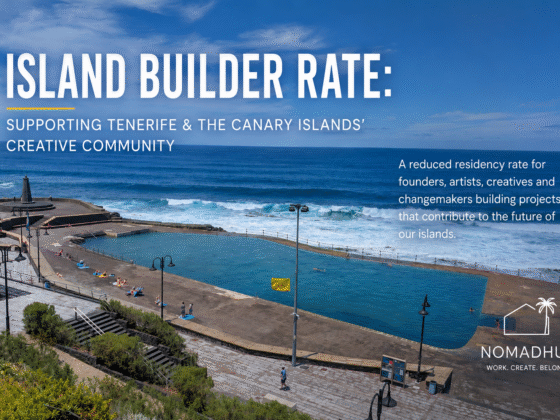
And then—there’s a different approach. Nomadhut. Not a hacker house. Not a frat with Wi-Fi. Instead, think of it as a retreat: a space by the Atlantic where you can work on your project without the background noise of someone shotgunning Red Bull in the next room.
Nomadhut has the spirit of collaboration without the chaos. It’s for people who want to build, write, or create—but also sleep properly, cook something edible, and maybe take a dip in the ocean before debugging. Here, you’ll find founders, creatives, and entrepreneurs, but also a degree of dignity. Less “Who stole my HDMI cable?”, more “Shall we watch the sunset before the next sprint?”
Why This Matters
The hacker house was brilliant in its way, but not everyone wants their great idea to smell faintly of stale laundry. Nomadhut represents an evolution: the recognition that innovation and community don’t require deprivation or chaos. You can still be surrounded by ambitious peers, still share ideas over dinner—but also breathe sea air, not sock air.
In short: hacker houses gave us proof that people thrive in community. Nomadhut takes that idea and says, “Yes—but let’s do it like adults.”, an affordable coliving space in Tenerife.