Nomadhut.life
  • Shop
  • Book now
    • Rooms
    • What is Nomadhut? and why coliving in Tenerife as the first one.
      • In the beginning
      • Why pick Nomadhut?
        • Internet speed and tech, monitors etc
        • History of Nomadhut
          • In the beginning
            • Hunting for a building in London
          • Planning Permission Feasibility
            • Mood board / Systems / Design
            • Number crunching
            • Designing, getting feedback and Planning
            • We found an architect!
          • Mission and Vision (…legacy)
          • About me
            • What did I do before this… (Pre-COVID19) – Draft WIP
            • PhD on Digital Nomads / Working from Home / impact on place…
  • CoWorking & Makerspaces
    • London
    • Devon
  • Coliving WFH (Abroad)
    • Visa hub
    • Azores
    • Colombia
    • Montenegro
    • Morocco
    • Tenerife
      • Why Tenerife?
        • Getting to Tenerife
        • Free: Natural ocean swimming pools
        • Stargazing Tenerife Observatory
        • La Laguna, Tenerife (UNESCO world heritage site)
        • Surfing & Kite Surfing
        • Anaga Rural Park (UNESCO biosphere reserve)
        • Mount Teide
        • Why Tenerife, and what’s special about the Canary Islands?
Nomadhut.life

Coliving Tenerife | Coworking Tenerife

Nomadhut.life
  • Shop
  • Book now
    • Rooms
    • What is Nomadhut? and why coliving in Tenerife as the first one.
      • In the beginning
      • Why pick Nomadhut?
        • Internet speed and tech, monitors etc
        • History of Nomadhut
          • In the beginning
            • Hunting for a building in London
          • Planning Permission Feasibility
            • Mood board / Systems / Design
            • Number crunching
            • Designing, getting feedback and Planning
            • We found an architect!
          • Mission and Vision (…legacy)
          • About me
            • What did I do before this… (Pre-COVID19) – Draft WIP
            • PhD on Digital Nomads / Working from Home / impact on place…
  • CoWorking & Makerspaces
    • London
    • Devon
  • Coliving WFH (Abroad)
    • Visa hub
    • Azores
    • Colombia
    • Montenegro
    • Morocco
    • Tenerife
      • Why Tenerife?
        • Getting to Tenerife
        • Free: Natural ocean swimming pools
        • Stargazing Tenerife Observatory
        • La Laguna, Tenerife (UNESCO world heritage site)
        • Surfing & Kite Surfing
        • Anaga Rural Park (UNESCO biosphere reserve)
        • Mount Teide
        • Why Tenerife, and what’s special about the Canary Islands?
0
  • Bootstrapping startup
  • Building
  • Coliving

How My Undersized Conduit Accidentally Became My Greatest Decision

  • foppotee
  • 3 minute read

The unexpected advantages of three-phase electricity, Spanish tax rules, and being prevented from getting what you actually wanted... and sensationalist headlines.

There are many things to consider when renovating a derelict former pizzeria in Tenerife. Plumbing, planning permission, structural alterations, and the possibility that a wall hasn’t been touched since Franco was alive. Electricity, rather embarrassingly, comes quite a long way down the list.

At Nomadhut, my little coliving experiment in Bajamar, I wanted what seemed like a perfectly reasonable electrical supply: three-phase power 10kw+ (if you don’t know what that means don’t worry, but most houses only have single phase power, three-phase is usually for industrial buildings). With sufficient capacity to accommodate several people living and working under the same roof (…and maybe charge an electric vehicle much quicker than a normal household).

Unfortunately, at the time the building had other ideas.

We were installing completely new electrical cabling, but the cables had to pass through an existing conduit. And that conduit, installed decades earlier by someone with absolutely no interest in my future plans for electric vehicles, was only large enough to accommodate cables of a certain size.
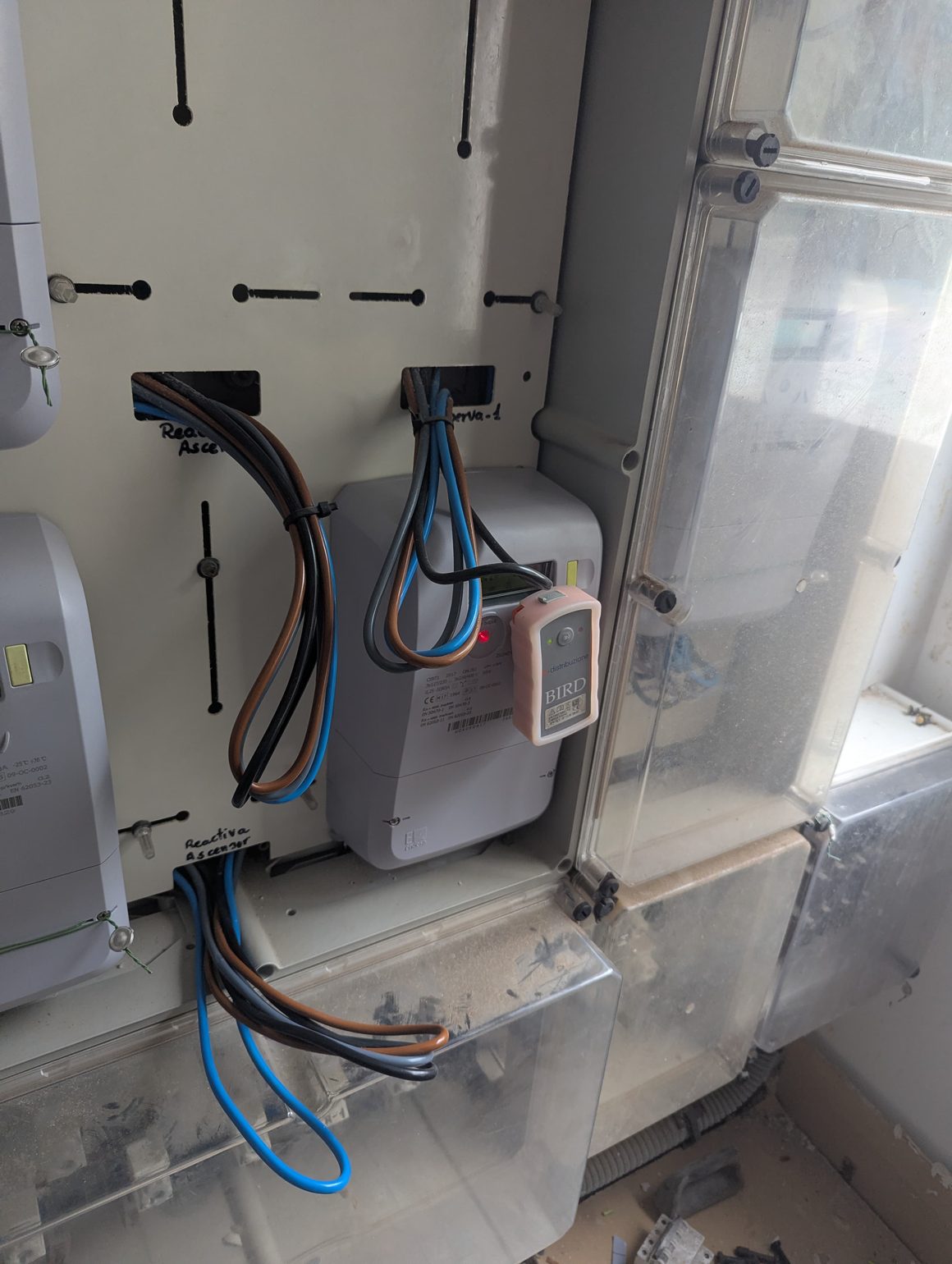
Larger cables would have meant replacing the conduit, which would have introduced an entirely new category of expense, disruption and potentially considerable unpleasantness.

Consequently, my three-phase supply was limited to approximately 9.2 kW.

Initially, I regarded this as a minor defeat. I’d gone to the trouble of installing new wiring, only to discover that the dimensions of a tube buried in a building during the 1970s were determining my electrical ambitions in 2026.

And then I discovered the Canary Islands’ electricity tax rules.

For qualifying residential electricity contracts, the IGIC rate is 0% when contracted power doesn’t exceed 10 kW, subject to other eligibility conditions.

In other words, the conduit that had prevented me from obtaining a larger electrical supply had also, potentially, prevented me from crossing an important tax threshold.

I had inadvertently stumbled into tax efficiency because a plastic tube was too narrow.

There are people who spend considerable sums on financial advisers to achieve such outcomes. I managed it by being physically unable to fit anything larger through a hole in the wall.

Naturally, I shall be describing this as strategic infrastructure optimisation from now on.

Why Pay for Electricity You’re Not Using?

There is, however, another small piece of financial cunning involved. Although the installation has been designed for approximately 9.2 kW, I’ve currently contracted just 5.8 kW from the electricity supplier.

This is because Nomadhut remains a building site, rather than a functioning coliving space. There aren’t yet nine people simultaneously boiling kettles, washing clothes, preparing dinner and operating hairdryers capable of stripping paint.

Mostly, it’s me, a refrigerator, some power tools and the occasional appliance performing a task that could probably have been accomplished in the eighteenth century with a bit more physical effort.

In Spain, part of your electricity bill is determined by how much power you contract, rather than how much electricity you actually consume. It’s known as the término de potencia, and you’re charged for it whether you use the electricity or not.

You are, in effect, paying for the privilege of being able to use electricity you might never need.

Which seems an impressively abstract thing to purchase.

By contracting only 5.8 kW during the renovation, I reduce this fixed charge while retaining the ability to increase my contracted power later, subject to the installation’s certified limits.

Once Nomadhut is occupied, I can increase the contracted capacity as demand requires. Until then, paying for additional power that nobody is using seems rather pointless.

So, through a combination of an undersized conduit and a deliberately modest electricity contract, I’ve managed to avoid both unnecessary fixed charges and potentially a higher tax rate.

This is beginning to resemble a coherent financial strategy, which is deeply worrying because absolutely none of it was planned.

Share
Tweet
Share
foppotee

Previous Article
  • Bootstrapping startup
  • Canary Islands
  • Digital Nomads

The Canary Islands ZEC: 4% Corporation Tax, Sunshine and the Inevitable Spanish Paperwork

  • foppotee
View Post
Next Article
  • Bootstrapping startup
  • Political

Young Entrepreneurs Need to Eat (Part 1 government funding)

  • foppotee
View Post
You May Also Like
View Post
  • Bootstrapping startup
  • Political

Which Country Offers the Best Grants, Loans and Living Allowances for young entrepreneurs? (government funding part 2)

  • foppotee
  • October 29, 2026
View Post
  • Bootstrapping startup
  • Political

Young Entrepreneurs Need to Eat (Part 1 government funding)

  • foppotee
  • October 29, 2026
View Post
  • Bootstrapping startup
  • Canary Islands
  • Digital Nomads

The Canary Islands ZEC: 4% Corporation Tax, Sunshine and the Inevitable Spanish Paperwork

  • foppotee
  • October 27, 2026
View Post
  • Bootstrapping startup
  • Sleeping pods capsules

Pods… revisited

  • foppotee
  • October 17, 2026
View Post
  • Bootstrapping startup
  • Sustainability & Eco-Living

Why Net Zero is not enough!

  • foppotee
  • October 2, 2026
View Post
  • Bootstrapping startup
  • Travel

When to book winter flights to Tenerife

  • foppotee
  • September 24, 2026
View Post
  • Bootstrapping startup
  • Canary Islands
  • Travel

Summer flight… when is it best to book answer(?)

  • foppotee
  • July 1, 2026
View Post
  • Bootstrapping startup
  • Canary Islands
  • Coliving

Island Builder Rate: Supporting Tenerife & the Canary Islands’ Creative Community

  • foppotee
  • May 20, 2026
Nomadhut.life
  • Shop
  • Book now
  • CoWorking & Makerspaces
  • Coliving WFH (Abroad)
Coliving in Tenerife

Input your search keywords and press Enter.